Berberine HCL Extract
A bright yellow plant compound drawn from barberry and its relatives, long used as both a dye and a traditional botanical.
A compound, not a whole herb
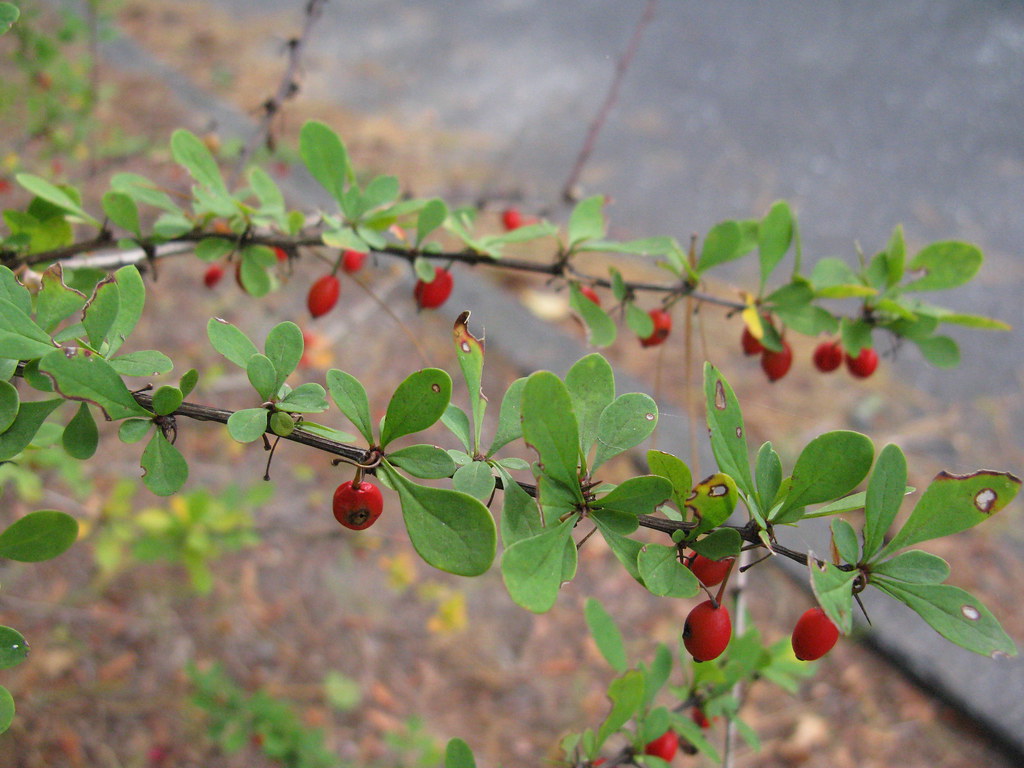
Berberine is different from the other botanicals in Veris. Rather than a dried bark, leaf, or fruit, it is a single naturally occurring compound found in the roots, stems, and bark of several plants. The most familiar source is barberry, the genus Berberis, a group of thorny shrubs that grow across Europe, Asia, and North America.
Plants that contain berberine share one obvious feature: a vivid yellow colour in their inner wood and root. That yellow comes from the berberine itself, which has been used as a natural dye for textiles and as a pigment for as long as people have worked with these plants.
Barberry in tradition and the kitchen
Barberry has a place in the kitchens of several regions. Its small, tart red berries are dried and used in Persian cooking, where they brighten rice dishes and add a sharp, sour note. The shrub itself has long been present in the hedgerows and gardens of the temperate world.
As a source of berberine, barberry and its relatives have also been part of many herbal traditions across Europe and Asia. The compound is often discussed in the broader context of metabolic wellness, which is the conversation it joins as part of this formula.
Berberine HCL in Veris
Veris uses 25 mg of Berberine HCL Extract per serving. The letters HCL stand for hydrochloride, a salt form. Pairing the berberine with hydrochloride gives a stable, well-defined material that can be measured and dosed precisely, which is why the extract is supplied this way.
At 25 mg, berberine is the smallest of the five botanical-derived actives by weight, reflecting that it is a concentrated single compound rather than a bulk plant material. As with everything in Veris, the exact figure is printed on the label, never hidden in a blend.
How it sits in the formula
Berberine is the bridge between the whole-plant botanicals of Veris and the single trace mineral that follows it. It is itself a defined compound, supplied as a measured salt, which gives the formula a precise, named ingredient alongside its broader herbal extracts.
We describe where berberine comes from, the colour it lends its source plants, and the traditions it belongs to. We make no claim about what it does once taken. It is a disclosed 25 mg of a well-characterised plant compound.
The vivid yellow in barberry root is the berberine itself, long used as a natural dye.
This article is general wellness information and is not medical advice. Veris is a food supplement and does not replace a varied diet. Talk to your doctor about your individual needs.